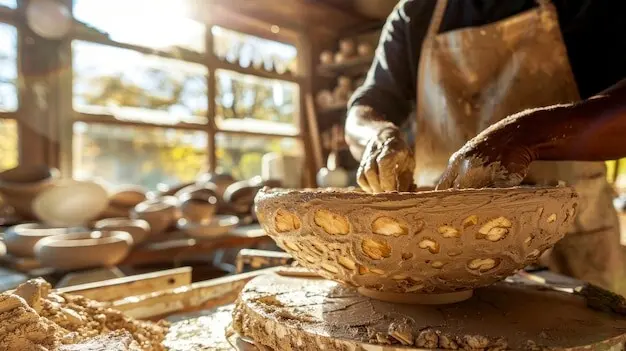
Carving Futures in Timber and Stone

Step into the living world of sustainable woodcarving and stonecraft in mountain villages, where careful hands and resilient landscapes guide every decision. We explore how artisans harvest responsibly, shape meaningfully, and build livelihoods that honor forests, quarries, and future generations. Expect practical methods, heartfelt stories, and ways you can support, learn, and participate without leaving a heavy footprint on the slopes you admire.

Grandfather’s Bench Beside the Spruce

An old carver once described reading a tree like a neighbor’s face, learning where storms had pressed and where sun had mellowed the grain. He waited for frost to tighten fibers, then worked slowly, saving offcuts for kindling and seedling stakes, ensuring the forest’s quiet generosity echoed back in practical, everyday kindness.

Path of Stones Marking a Wedding Day

A mason chose river-worn pieces for a village path, letting natural curves guide the pattern, avoiding new quarry cuts during nesting season. Each step became a story tile: who carried which slab, who laughed in the rain, who came back years later and recognized the shine they had once rinsed in a bucket under the eaves.

Seasonal Rhythms as a Responsible Compass

When sap runs low, boards move less and tools stay cleaner. When thaw loosens cliffs, carts wait and ropes get double-checked. These rhythms are not superstition; they are safety, quality, and modesty in motion, helping craftspeople say no to haste and yes to materials that will live well for decades without needless waste.

Materials with a Conscience

Choosing what to carve begins before the blade touches bark or the mallet strikes chisel. Mountain artisans prioritize salvaged windfall, pruned limbs, responsibly thinned saplings, and stones reclaimed from old foundations. Paperwork matters too: cooperative permits, community oversight, and transparent sourcing prove that beauty can travel from hillside to home without eroding trust, soil, or the delicate web of alpine biodiversity.

01

Windfall Wisdom and the Language of Grain

After storms, crews walk the forest floor mapping possibilities, lifting only what local foresters approve. Windthrown trunks often reveal tight, expressive grain that rewards careful orientation. By aligning curves with hidden stresses, carvers reduce waste, need fewer clamps, and produce pieces that seem to breathe with the tree’s remembered sway.

02

Reading a Slope Before Touching the Quarry

Stoneworkers study waterlines, frost cracks, lichens, and rest points where gravity collects fragments. They prioritize loose or surface stone before cutting, protect runoff routes with straw berms, and stabilize paths to prevent slippage. Minimal extraction combined with restoration plantings keeps the hillside alive, so tomorrow’s walk still hears ptarmigan wings and small springs singing.

03

Proof of Care: Permits, Ledgers, and Community Eyes

Sustainability grows stronger when it is witnessed. Cooperatives publish sources, dates, quantities, and replanting obligations. Buyers can trace a bowl to a storm date or a doorway lintel to a renovation salvage lot. Simple ledgers, peer audits, and shared tool libraries transform individual ethics into a village pact everyone can trust.
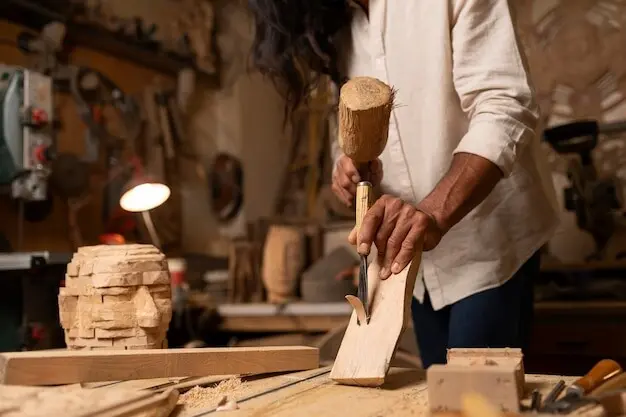
Tools, Techniques, and Low-Impact Workshops

Quiet processes preserve both hearing and habitat. Hand tools, treadle lathes, and micro-hydro power supplement limited electricity. Dust is captured at the source, shavings composted or pressed into firebricks, and offcuts become handles and wedges. Intentional ergonomics prevent injury, while thoughtful pacing keeps skill tender and precise, ensuring each strike respects the material, the maker, and the neighbors uphill and down.

Designing for Generations, Not Seasons

Durability begins in the sketchbook with joints that move gracefully, finishes that protect without sealing life away, and forms that invite repair. Stone structures use lime mortars that breathe and can be reversed; wooden pieces prefer pegs over glue. Makers plan maintenance notes with honesty, so caretakers decades later can tighten, oil, and applaud the patience embedded in every curve.

Joinery That Flexes with Alpine Winters

Pinned tenons, sliding dovetails, and wedged mortises allow swelling and shrinking without panic. Carvers orient heartwood away from stress and leave discreet access points for future repairs. A small brass tag invites caretakers to oil once a year, turning maintenance into a ritual rather than a rescue mission.

Stonework That Can Be Unbuilt and Reborn

Dry-stacked retaining walls and lime-set thresholds embrace movement. When frost heaves, components can be lifted, relaid, or repurposed without demolition scars. This reversibility honors material dignity and acknowledges that mountains shift, families grow, and good design anticipates graceful change rather than pretending to halt time.

Finishes That Age Honestly and Guard Kindly

Natural oils, waxes, and mineral pigments protect while letting wood exhale. Makers test blends in weather boxes, noting colorfastness and beading. Finishes are chosen for renewability, not just first-glance gloss, encouraging owners to refresh surfaces like feeding a friend, renewing bonds rather than hiding cracks beneath plastic armor.

Economies on the Ridge: Fair, Traceable, Resilient

A healthy craft economy pays living wages, funds replanting, and keeps young families from leaving. Cooperatives coordinate orders, reduce shipping by clustering deliveries, and publish transparent pricing. Makers document origin stories through photos and GPS-stamped notes, inviting buyers to value care alongside form. Tourism is welcomed thoughtfully, paced to trails and seasons, never at the expense of quiet or wildlife corridors.

Cooperative Ledgers and Shared Risk

By buying abrasives in bulk, pooling insurance, and rotating market stalls, small workshops steady income bumps that used to break them. When a storm closes passes, the collective shifts online, spotlighting whoever can ship, ensuring families across the ridge still heat kitchens and keep apprentices paid through lean weeks.

Provenance That Travels with the Piece

Each work leaves with a card mapping its journey: salvaged spruce from the north gully, riverstone lifted after spring flood, finish mixed on a bright Tuesday. Buyers scan a code to see repairs, re-oiling guides, and a photo of the hillside, fostering pride that deepens with every gentle dusting.

Welcoming Visitors Without Overrunning Valleys

Studios open by appointment, guiding small groups to respect footpaths and silence near nesting cliffs. Sales favor local pickup days synced with transit, reducing car swarms. Demonstrations end with seed packets and trail reminders, so admiration for craft becomes stewardship for the habitats that make beauty possible.

Learning Paths: From First Shavings to Mastery

Knowledge survives when it is held in many hands. Mountain workshops mentor teens after school, elders host story nights, and traveling artisans trade techniques across ridgelines. Digital meetups bridge winters, while scholarships open doors for those priced out of tools. You are warmly invited to ask questions, join a session, and help keep these skills humming for another century.
Sentofaripiradaririnoloriteli
Privacy Overview

This website uses cookies so that we can provide you with the best user experience possible. Cookie information is stored in your browser and performs functions such as recognising you when you return to our website and helping our team to understand which sections of the website you find most interesting and useful.