Mountain Hands, Living Lessons

Roots Beneath the Snowline
Why Apprenticeship Endures
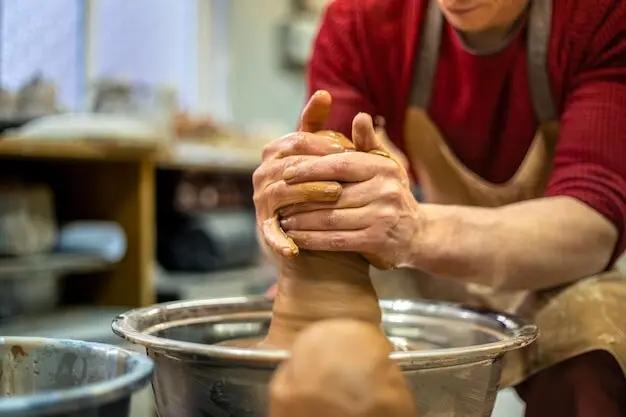
Some skills resist diagrams. The angle of a gouge, the feel of damp wool, or the sound of bronze cooling cannot be fully explained, only felt alongside someone experienced. Apprenticeship honors that threshold between explanation and embodiment, granting time to make repeatable mistakes safely. It builds trust, calibrates judgment, and anchors identity in shared responsibility. When a master chooses to teach, it is not simply about productivity; it is an ethic of care that binds workshop, household, and valley into a resilient, meaning-filled community.
The Alpine Calendar of Learning
Some skills resist diagrams. The angle of a gouge, the feel of damp wool, or the sound of bronze cooling cannot be fully explained, only felt alongside someone experienced. Apprenticeship honors that threshold between explanation and embodiment, granting time to make repeatable mistakes safely. It builds trust, calibrates judgment, and anchors identity in shared responsibility. When a master chooses to teach, it is not simply about productivity; it is an ethic of care that binds workshop, household, and valley into a resilient, meaning-filled community.
From Household to Workshop
Some skills resist diagrams. The angle of a gouge, the feel of damp wool, or the sound of bronze cooling cannot be fully explained, only felt alongside someone experienced. Apprenticeship honors that threshold between explanation and embodiment, granting time to make repeatable mistakes safely. It builds trust, calibrates judgment, and anchors identity in shared responsibility. When a master chooses to teach, it is not simply about productivity; it is an ethic of care that binds workshop, household, and valley into a resilient, meaning-filled community.
Tools That Teach Back
The Knife Edge and the Whisper
Bell Bronze and Echoes
Looms, Warps, and Winter Light
Paths to Mastery Today
Paper Meets Practice
A week might weave three days at the bench with two in classrooms learning costing, safety, drawing, and regulations. Apprentices keep a logbook signed by mentors, documenting competencies from joint fitting to client communication. Assessment favors process, not theatrics: consistent quality, safe habits, and clear reasoning. This structure protects heritage without freezing it, legitimizing humble beginnings beside ambitious portfolios. For many families, the certificate eases insurance, export, and grant applications, translating quiet workshop excellence into the language institutions understand while honoring the touch that institutions cannot grade.
The Journeyman’s Road
Some still take to the road, spending seasons in distant workshops to broaden style and judgment. Travel stamps and letters of reference echo older traditions of wandering artisans, yet the spirit remains: humility, openness, and diligence. Working with new woods, dialects, and clients teaches adaptation and respect. Mistakes become accelerators of wisdom under unfamiliar roofs. Returning home, these travelers carry new jigs, songs, recipes, and friendships, proving that regional identity strengthens through exchange rather than fear, and that a valley’s craft evolves best with doors ajar.
Earning the Master’s Signature
Becoming a master blends artistry and stewardship. Candidates design and execute a masterwork, defend choices, and demonstrate readiness to teach. They must show knowledge of safety, law, materials, and pricing alongside quiet authority at the bench. Passing confers responsibility: preserving standards, mentoring apprentices, and advocating for fair markets. Many say the true exam begins afterward—keeping generosity alive while deadlines press, modeling honesty with clients, and investing time in those first hesitant cuts that will one day surpass your own. Legacy becomes a daily verb, not a certificate.
Stories from High Valleys
01
A Violin Awakens in Mittenwald
In a small upstairs room, an apprentice carved spruce plates until they rang at the right note when tapped. Her father, also her master, stood back quietly, letting silence decide. When the frequency finally settled, they smiled without words. Later, she fitted the soundpost and heard the instrument breathe for the first time. Her journal entry that night simply read, “Today I listened with my fingertips.” Years later, she teaches tapping not as a trick, but as a relationship that deepens with every measured, respectful stroke.
02
Val Gardena Figures Find Their Faces
A young carver in Val Gardena rough-cut a Madonna and Child, too timid around the eyes. The elder set down his gouge, told a childhood story in Ladin, then demonstrated three fearless, tiny cuts. He spoke about courage and restraint living in the same breath. The apprentice tried again, hands steadier, cheeks flushing with relief. Market day brought a passerby to tears at the figure’s gentleness. The lesson was not about anatomy alone; it was about breathing through the wood until the wood quietly breathes back.
03
Appenzell Embroidery Holds the Sun
In Appenzell, a grandmother rethreaded a needle with gold as morning light slid across a kitchen table. Her granddaughter fumbled a twist and knotted the line. Instead of scolding, the elder traced a belt’s story—weddings, parades, cows crowned with flowers. Together they unpicked the knot and tried again. By dusk, the younger hand could coax a steady shimmer across leather. Festivals later, a dancer turned, and sunlight bloomed along the stitches. That evening, they stored both belt and lesson carefully, wrapped in cloth, love, and patience.