
From Mountain Fleece to Living Color

Join us as we explore Traditional Alpine Wool, Weaving, and Natural Dyeing, tracing a path from wind-brushed high pastures to workshops scented with lanolin and wood smoke. Meet shepherds guiding hardy flocks across ridgelines, spinners coaxing characterful yarns, and weavers finishing cloth at water-driven mills. Discover plant colors pulled from walnut, larch, heather, and woad, held fast with mindful craft. Step in, learn, ask questions, and help keep these living mountain skills vibrant for future hands.

Sheep of the High Pastures

High-altitude husbandry shapes wool with resilience, warmth, and distinct crimp. In rocky meadows and flowered scree, flocks graze diverse forage that enriches fiber strength and lanolin. Careful breeding and humane handling support health, biodiversity, and traceability. Understanding how climate, pasture, and shepherding shape each staple helps you choose yarns and fabrics that honor landscape, animal welfare, and the centuries-old knowledge carried on Alpine paths.

Breeds and Fiber Character

Tyrolean Bergschaf delivers lofty, durable staples; Valais Blacknose charms with generous, versatile fleeces; Engadine and Bündner breeds contribute sturdy fibers prized for rugs, blankets, and robust outerwear. Coarser guard hairs mingle with softer undercoat, creating hearty yarns whose body, spring, and abrasion resistance shine in practical, weather-ready textiles.

Transhumance and Grazing Cycles

Seasonal movement between valley barns and summer pastures keeps parasites low, pastures open, and wildflowers thriving. Bells mark slow progress along ancestral tracks while shepherd dogs manage edges and cliffs. This rhythm yields clean, sun-bleached fleeces, balanced nutrition, and a natural fiber palette reflecting terrain, altitude, and foraged herbs.

Shearing and Skirting Rituals

Spring gatherings transform shearing into celebration. Sharpened blades glide while neighbors sort, skirt, and bag fleeces amid laughter, cheese, and coffee. Burrs, bracken, and coarse edges are removed, preserving prime locks. Stories travel hand to hand with each fleece, linking makers to specific hillsides, families, and flocks.

From Raw Fleece to Ready Yarn

Turning raw fleece into dependable yarn begins with patience and gentle methods that respect every crimp. Temperature-controlled scouring preserves structure, while careful drying and teasing ease fibers open. Carding or combing aligns or tumbles staples for desired loft. Finally, twist, ply, and set bring strength, consistency, and expressive hand.

01

Gentle Scouring in Mountain Water

Cool streams and kettles warmed over slow fires clean lanolin without shocking scales. Traditional ash soap or modern mild detergents lift soil while maintaining resilience. Controlled soak cycles prevent felting; mesh bags, wooden paddles, and sunlit breezes finish the wash, leaving fleece sweet, open, and ready for alignment.

02

Carding, Combing, and Blending

Hand cards raise a cloud into bouncy rolags for airy woolen spinning; combs draw long parallel fibers for sleek worsted yarns. Local fleeces are often blended across flocks to balance length and handle. Tweeds emerge from heathered mixes, celebrating natural shades before any plant color touches the fibers.

03

Spinning Techniques and Twist

Drop spindles tuck into aprons on narrow trails; flyer wheels hum near hearthstones through snow. Drafting choices control loft and durability, while twist per inch determines resilience. Two- or three-ply constructions even out variation, and a gentle wet finish relaxes energy, revealing character shaped by pasture and hand.
Weaving Traditions Across the Alps
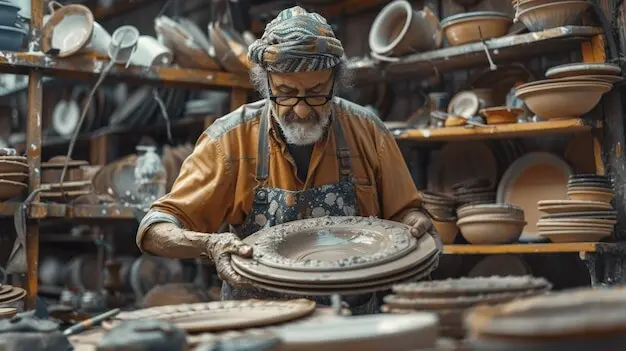
Within timbered rooms and stone farmhouses, looms transform yarn into fabric built for peaks and markets. The vocabulary includes plain weave for blankets, sturdy twills for workwear, and narrow bands for straps and bindings. Beat, sett, and weft choices balance drape and durability, honoring utility without losing rustic romance.

Colors from Alpine Plants and Minerals

Alum and cream of tartar gently open seats for dye, fixing brightness without harshness. Iron saddens tones into moss and storm; copper tips greens; ammonia or vinegar shifts pH for nuanced shade. Safety keeps pots separate from food, with labeled tools, gloves, ventilation, and meticulous notebooks tracking every bath.
Gathering respects plant cycles and landowners, taking modest amounts and leaving roots. Late-summer weld stands tall; spring birch leaves bring soft yellow; autumn walnut hulls dry well for winter. Yield depends on altitude, rainfall, and storage. Small test skeins prevent surprises, guiding extraction time, liquor ratios, and repetition.
Blue asks for tender care in cool mountain rooms. Fermentation vats with woad or indigo need warmth and kindness, whether fructose, henna, or hydros are used. Oxygen dips transform yellow-green liquor into lasting sky; repeated passes deepen tone. Wool rinses gently, then rests, revealing twilight gradients across handspun.

Stories Stitched Into Community

Market Days and Mountain Fairs

Stalls line cobbled squares where bells, bread, and steaming milk share the air. Weavers roll out cloth; shepherds arrive with fleeces; dyers display skeins like herbs. Barter flows: blankets for tools, yarn for wool fat soap. Demonstrations invite children to treadle, sparking futures among delighted grandparents.

Guild Memory and Modern Co-ops

Historic statutes set prices and apprenticeship years; today, cooperatives update those ledgers with transparent wages and shared kilns. Members pool shearing schedules, transport, and marketing, turning individual vulnerability into resilience. Social media replaces bellmen, yet meetings still serve soup while troubleshooting looms and refining dye recipes together.

Heirlooms and Personal Journeys

A grandmother’s loden cape, patched and rebrushed, teaches mending better than any manual. One reader wrote us after reviving her father’s narrow loom, weaving straps that steadied his hiking poles. Such pieces outlast trends, recording repairs, weather, and milestones in every abrasion-polished pick and carefully darned warp thread.

Sustainable Futures and How to Join In

Mountain crafts thrive when respectful buyers, curious beginners, and steady advocates participate. Seek transparency from flock to fabric, favor regional fibers, and ask makers about care so pieces last decades. Whether you spin, dye, weave, or simply wear, your attention funds pastures, preserves skills, and keeps communities rooted.

Responsible Sourcing and Care

Look for names, not vague labels: a valley, a shepherd, a breed. Certifications help, but direct relationships matter. Wash in cool water with wool-friendly soap, dry flat away from sun, and brush loden gently. Repair early, store clean, and celebrate patina as proof of enduring, low-impact usefulness.

Try-At-Home Projects

Begin with a backstrap band using sturdy, minimally processed yarn, or solar-dye a small skein with marigold petals and alum. Document steps, measure pH, and compare swatches. Even simple experiments teach fiber response, revealing why full-scale cloth succeeds. Share results and questions; experienced readers love offering thoughtful tweaks.

Engage, Share, and Subscribe

We would love your voice here. Tell us which pasture paths you know, which plants tint your local water, or which repair saved a family garment. Ask detailed questions, request tutorials, or propose collaborations. Subscribe for field stories, dye logs, and workshop dates so your learning continues alongside ours.
Sentofaripiradaririnoloriteli
Privacy Overview

This website uses cookies so that we can provide you with the best user experience possible. Cookie information is stored in your browser and performs functions such as recognising you when you return to our website and helping our team to understand which sections of the website you find most interesting and useful.